Stop Repeating Yourself Until You’re Blue in the Face.
Your classroom shouldn't feel like a high-stakes game of "Simon Says" where Simon has lost his voice and everyone is running in circles.
It’s time to stop the verbal gymnastics and start using the power of sight. The Visual Systems Implementation Playbook is the witty, no-fluff toolkit designed to turn your chaotic classroom into a self-running masterpiece of visual awesomeness. Spend less time talking, and more time actually teaching.
The Problem
If you teach students with autism, you've probably had moments where it feels like you're giving the same directions over and over all day long.
"First backpack."
"Then folder."
"Time to clean up."
"Check your schedule."
"Sit down."
Even with your best efforts, some students still seem unsure of what comes next. Others become frustrated during transitions, rely on constant adult prompting, or struggle to complete familiar routines independently.
It's exhausting.
Not because you're doing anything wrong—but because spoken words disappear the moment they're said. For many autistic learners, that's simply not enough.
You didn't become a special education teacher to spend your day repeating directions or prompting every step of every routine. You became a teacher to help students grow, communicate, and become as independent as possible.
The good news? There is a better way.
Imagine walking into your classroom knowing your students understand what's expected before you say a word.
Instead of repeating the same directions all day, your students begin looking to visual schedules, checklists, choice boards, and routines to guide them through their day. Transitions become more predictable. Expectations become clearer. Students gain confidence because they know what comes next, and you spend less time prompting and more time teaching.
That's exactly what The Visual Systems Implementation Playbook was designed to help you achieve.
This isn't just another collection of printable visuals. It's a step-by-step framework for choosing, creating, and implementing visual supports with purpose. You'll learn why visual systems work, how to match the right support to each student's needs, and how to build classroom routines that encourage independence instead of prompt dependence.
Because the goal isn't to create a classroom full of picture cards.
The goal is to create a classroom where students can participate more independently, teachers feel more confident, and everyone spends more time learning.
Inside The Visual Systems Implementation Playbook
Understand the "Why" Behind Visual Supports
Learn why visual systems work for autistic learners and how they reduce cognitive load, increase predictability, and support independence. When you understand the "why," you'll make better decisions about every visual you create.
Choose the Right Visual for the Right Student
Not every visual works for every learner. You'll learn how to identify student needs and select visual supports that solve real classroom challenges instead of creating unnecessary clutter.
Implement Visual Systems with Confidence
Go beyond laminating picture cards. Learn how to introduce, teach, and consistently use visual supports so they become a meaningful part of your classroom routines.
Build More Independent Learners
Discover practical strategies that help students rely less on adult prompting and more on the visual systems around them—creating smoother routines and increasing student confidence over time.
Create Predictable, Calmer Classroom Routines
Learn how intentional visual systems create smoother transitions, clearer expectations, and more consistent daily routines that support both students and staff.
Practical, Classroom-Tested Strategies
Every lesson is based on real classroom experience and designed to give you ideas you can implement immediately in your own classroom.
Avoid the Most Common Implementation Mistakes
Learn the mistakes that prevent visual supports from working—and how to avoid them before they become frustrating habits.
Adapt Visual Systems to Your Unique Classroom
No two classrooms are exactly alike. You'll learn how to customize visual supports for your students, routines, staffing, and teaching style so your systems work in the real world—not just in theory.
Is This Course Right for You?
This course is designed for educators who...
Teach autistic students or students who benefit from visual supports
Feel like they're constantly repeating directions throughout the day
Want to build student independence instead of prompt dependence
Are looking for practical strategies they can implement immediately
Want to create more predictable, successful classroom routines
Feel overwhelmed by all the different visual support ideas online and want a clear implementation plan
Want to understand not just what visual supports to use—but why they work
Your Enrollment Includes
Lifetime Access
Watch the lessons whenever you need them and revisit the course throughout the school year.
The Visual Systems Implementation Playbook
Complete online course
4 comprehensive modules
Step-by-step implementation strategies
Real classroom examples
Action steps for every lesson
54-Page Companion Workbook
Includes printable planning pages, classroom implementation tools, action labs, and reflection activities to help you confidently put every strategy into practice.
Frequently Asked Questions
Absolutely. This course isn't about collecting more picture cards—it's about learning how to implement visual systems with purpose. Even experienced teachers often discover new ways to increase independence, reduce prompting, and make their existing visuals more effective.
You don't have to.
The Visual Systems Implementation Playbook is designed to help you make meaningful progress one step at a time. Start with one routine, one visual, or one student. Small, intentional changes often lead to the biggest long-term improvements.
Yes. Every classroom is different, and no single visual support works for every learner. Instead of teaching a one-size-fits-all system, this course helps you understand how to choose and adapt visual supports based on your students' individual strengths and needs.
That's exactly why I created this course.
Instead of guessing which visuals to make or downloading endless printables, you'll learn a clear implementation framework that helps you confidently decide what to use, when to use it, and how to teach it effectively.
Many teachers have had that experience. Often, the challenge isn't the visual itself—it's how it's introduced, taught, and consistently used. This course focuses on implementation, helping you understand not just what to use, but how to make visual systems a meaningful part of your classroom.
My Promise to You
As a special education teacher, I know how valuable your time and money are. I also know that professional development should leave you feeling more confident—not more overwhelmed.
That's why every purchase of The Visual Systems Implementation Playbook is backed by a 30-day satisfaction guarantee.
Take the course, explore the strategies, and begin putting them into practice. If you don't feel the course is right for you, simply email me within 30 days for a full refund.
No hassle. No pressure.
Just my commitment to providing resources that truly support educators.
Build a Classroom That Promotes Independence—One Visual at a Time.
Every day, teachers work incredibly hard to support their students. But you shouldn't have to rely on constant reminders, repeated prompts, and verbal directions just to make it through the day.
With The Visual Systems Implementation Playbook, you'll learn how to confidently implement visual systems that help students understand expectations, navigate routines, and build greater independence—while creating a classroom that's calmer, more predictable, and more successful for everyone.
Whether you're just beginning your journey with visual supports or looking to make the systems you already use more effective, this course will give you the practical strategies and confidence to make lasting changes.
Your students deserve the opportunity to become more independent.
You deserve a classroom supported by systems that work.
Purchase the course
Individual licence for 1 person
$79$59
Playbook course with 4 modules
Quick Start Implementation Guide
Lifetime access
About the Instructor
Hi! I'm Kristen, a special education teacher with more than 26 years of experience supporting students with diverse learning needs.
I earned my Bachelor's degree in Speech Therapy and my Master's degree in Special Education, and throughout my career I've taught students from preschool through age 21. In recent years, I've found my passion teaching in a K–2 autism classroom, where I help students develop independence through structured teaching, visual supports, and predictable routines.
But my journey in special education didn't begin with college.
But there's another part of my story that deeply influences the way I teach.
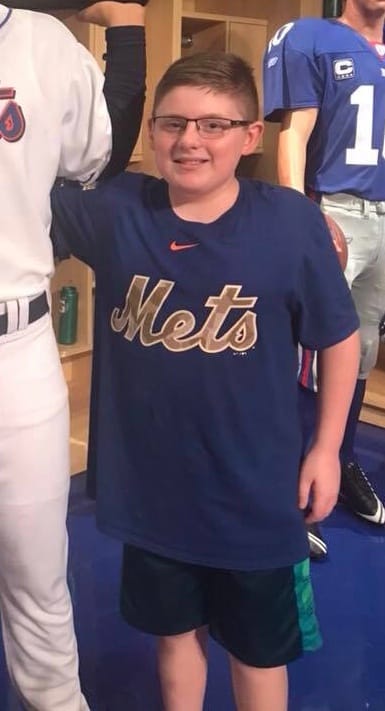
I'm also the parent of an incredible young adult with Tourette Syndrome, OCD, ADHD, Auditory Processing Disorder, and Dysgraphia.
I entered the world of Early Intervention when he was just 14 months old, attended countless therapy appointments, navigated IEP meetings, advocated through CSE meetings, celebrated hard-earned victories, and learned firsthand what it feels like to sit on both sides of the special education table.
Because of that, I understand the challenges of special education from two perspectives—not only as the teacher writing the goals and implementing the strategies, but also as the parent hoping someone truly understands your child.
That experience has shaped every resource I create.
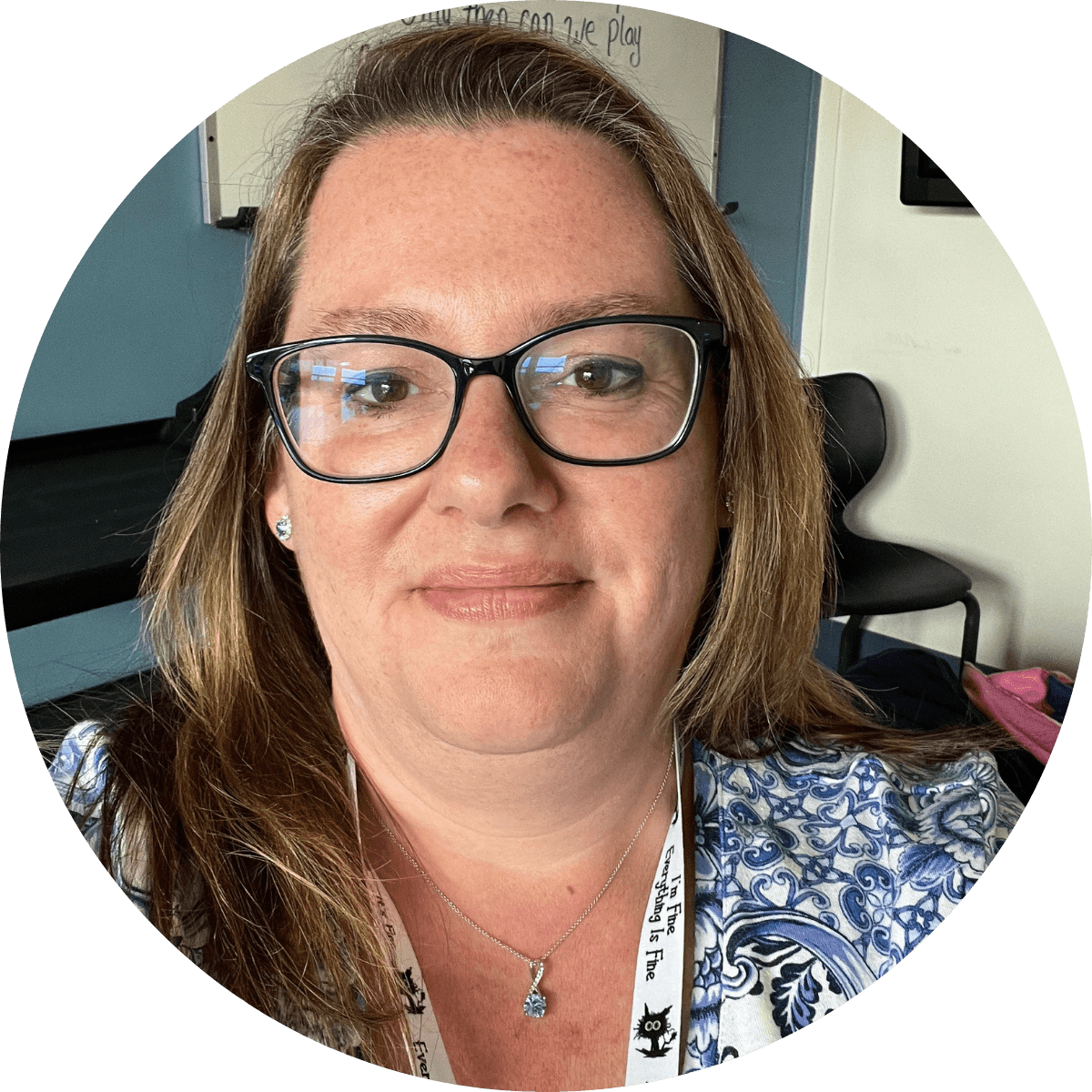
I've been working with children with autism since I was 14 years old, and those early experiences sparked a passion that has shaped my entire career.
Over the years, I've developed extensive experience supporting students with autism, developmental delays, communication differences, and sensory needs. My classroom is built around TEACCH principles, structured teaching, independent work systems, visual supports, hands-on learning, and clear, consistent routines because I believe children learn best when expectations are predictable and learning is presented in manageable, meaningful ways.
My goal has never been to create the "perfect" classroom.
My goal is to help students become more independent, confident, and successful—one small step at a time.
Whether I'm designing classroom visuals, developing professional development, or creating practical teaching tools, my focus is always the same:
Give educators strategies they can confidently implement and help students become as independent as possible.
I continue to invest in professional learning in areas including:
TEACCH and structured teaching
Visual supports
Functional academics
Trauma-informed practices
Classroom organization for special education
Communication and behavior supports
Because education is always evolving, and I believe the best teachers never stop learning.
I'm so glad you're here, and I'm honored to be part of your journey.
Together, let's build classrooms where students don't just succeed—they thrive.